Moka Pot Coffee: Brew a Smoother Cup at Home
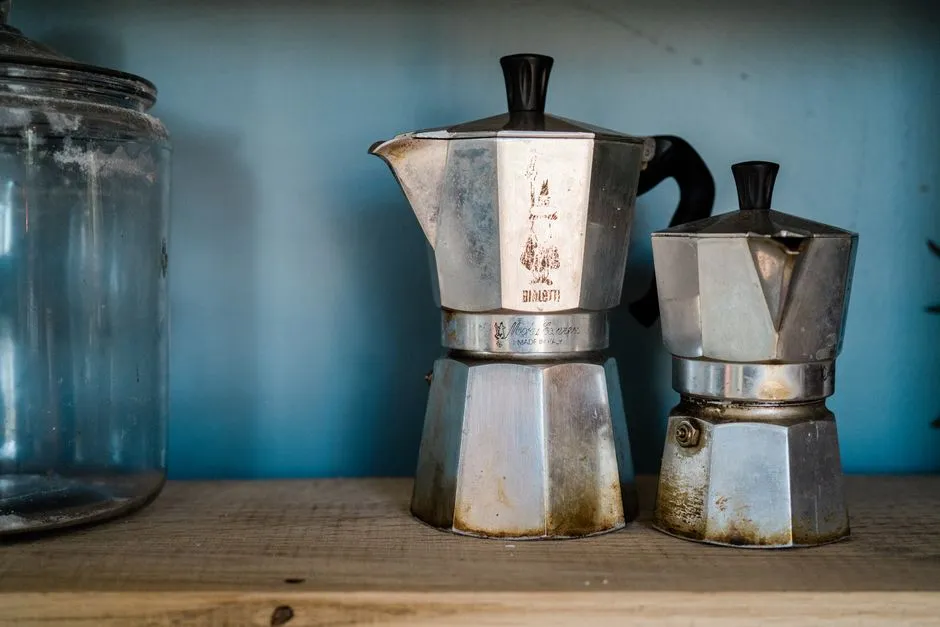
Use moderate heat and stop before the final angry sputter
To make a smoother moka-pot coffee, fill the base exactly as the manufacturer directs, load the basket loosely and level without tamping, assemble a clean sound pot, and brew over moderate heat. Remove it from the heat when the stream becomes pale or begins to surge, before prolonged sputtering overheats the final liquid. Stir the collected coffee before pouring so early and late extraction are blended.
A moka pot brews under pressure, but it is not the same process or beverage as pump-driven espresso. Follow the instructions for the exact pot; sizes, materials, valves, and heat sources differ.
Inspect the pot before adding water
Check the base, threads, filter plate, gasket, funnel basket, handle, and safety valve. Stop using the pot if a part is damaged, distorted, blocked, badly corroded, or no longer seals correctly. Replace parts only with compatible items specified for that model.
Keep the safety valve unobstructed. Do not fill above the manufacturer’s indicated level or cover the valve with water or coffee. Never modify, plug, or test a pressurized valve casually.
Browse moka-pot guides for more maintenance and brewing notes.
Choose a starting grind without making it universal
Moka-pot coffee commonly uses a grind finer than typical filter coffee but coarser than many espresso settings. Grinder markings are not standardized, so the useful description is relative, not a magic number.
Start from the pot, grinder, and coffee guidance. If grounds pass through the filter, flow stalls, or the cup tastes harsh, inspect dose, grind, heat, cleaning, and coffee freshness one variable at a time.
Do not use coffee ground so fine or packed so tightly that it obstructs the intended flow. The basket should be filled and leveled according to the maker, without espresso-style tamping.
Fill and assemble carefully
Add water to the base using the exact level in the pot instructions. Some brewers and workflows start with hot water to shorten heating, but hot-water assembly raises burn risk. Beginners can use cool or room-temperature water unless their manufacturer directs otherwise.
Seat the funnel basket correctly, add coffee, and level the surface without compressing it. Wipe grounds from the rim so they do not interfere with the seal. Screw the top and base together firmly as instructed, gripping safe surfaces rather than the handle as a tightening lever.
Brew where you can watch and hear
Place the pot on a stable compatible burner. Keep the flame, if used, beneath the base rather than climbing the sides. Turn the handle away from direct heat and keep children, loose sleeves, and face away from the outlet.
Use moderate heat. Coffee should emerge in a controlled stream rather than exploding upward. Do not lean over the open lid. If the manufacturer requires the lid closed, keep it closed; even when observation is permitted, hot liquid can spit.
When the flow becomes pale, irregular, or audibly bubbly, remove the pot from heat. Cooling the base with a safe method may stop extraction faster, but follow the manufacturer and avoid thermal shock, steam burns, or water near unsafe electrical or hot surfaces.
Stir before judging
Coffee entering first can be more concentrated than the liquid arriving later. Stir the upper chamber carefully with a heat-safe spoon before pouring. The metal pot, lid, and handle area may remain hot.
Taste once the coffee has cooled enough to drink safely. If it is harsh or bitter, test one change next brew:
| Observation | Next controlled test |
|---|---|
| Long aggressive sputtering | Remove from heat earlier |
| Very slow or stalled flow | Coarsen slightly or verify basket loading |
| Weak, fast flow | Grind slightly finer while keeping dose level |
| Burnt aroma before flow | Lower heat and inspect cleanliness |
Water, coffee, grind, pot size, and heat all interact. Record what changed rather than rebuilding the entire ritual between cups.
Clean only when fully cool
Never open a hot or pressurized moka pot. Let it cool completely, then disassemble according to its instructions. Dispose of grounds, rinse or clean the components with approved methods, inspect the filter and gasket, and dry before reassembly or storage.
Soap and dishwasher suitability vary by pot material and manufacturer. Follow the model’s care guidance rather than importing advice for a different metal.
The espresso dial-in guide uses the same one-variable discipline, but the equipment and extraction are different. Moka coffee becomes repeatable when fill, basket, heat, stopping point, and cleaning stay controlled—not when the brewer is promoted to honorary espresso machine.