Pressurized vs Non-Pressurized Espresso Baskets
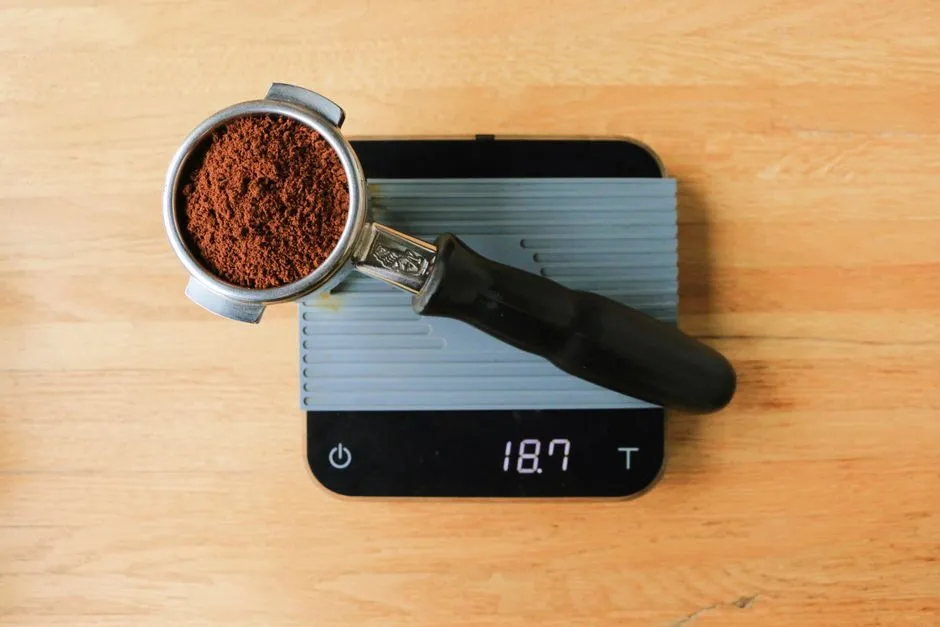
- Should you choose a pressurized or non-pressurized basket?
- What is the difference between the basket and portafilter?
- How do single-wall and dual-wall baskets differ?
- Which basket fits pre-ground coffee or fresh grinding?
- Does a two-cup basket always mean the same dose?
- Why must you check the complete assembly?
- What should you record before ordering a replacement?
- What would a useful worked example look like?
- What safety limits apply before inspecting or changing parts?
- How do you decide without buying unnecessary accessories?
- Sources
Should you choose a pressurized or non-pressurized basket?
Choose the basket your machine approves for the coffee and preparation you can repeat. A compatible pressurized basket often suits pre-ground coffee; a non-pressurized basket suits fresh grinding with controlled preparation. Confirm the exact model and required parts first. Espresso equipment involves hot water, steam, pressure and electricity: follow its manual, never remove the portafilter during brewing, and route damage or uncertain assembly to manufacturer support.
This is a desk-researched comparison, not a hands-on test or a ranking of espresso quality. The useful question is not which basket sounds more advanced. It is which documented setup matches your equipment and routine.
What is the difference between the basket and portafilter?
The basket is the small metal filter that holds ground coffee. The portafilter is the handled holder that carries it and locks into the machine's group head. The group head delivers brewing water.
Breville's portafilter overview describes both spouted holders and open-bottom, or bottomless, holders. That is a different distinction from the basket's wall construction. When asking for help, identify the holder and basket separately rather than calling every part “the filter.”
“Single” is especially ambiguous. A single-cup basket describes the intended serving format. A single-wall basket describes construction. Neither label alone tells you the other. An order for “a single basket” can therefore leave the important choice unresolved.
How do single-wall and dual-wall baskets differ?
In the dual-wall design described by Breville's basket comparison, the coffee-facing base has many holes, while an additional outer wall restricts the outlet. The restriction provides back pressure. A single-wall design lacks that second restricted outlet; the prepared coffee bed supplies resistance to flow.
That explanation describes a common design, not a promise that every manufacturer's pressurized system has identical parts. Some use an additional device in the holder. Identify the complete system from its documentation.
| Question | Pressurized or dual-wall setup | Non-pressurized or single-wall setup |
|---|---|---|
| What distinguishes the common basket design? | An additional restricted outlet | A perforated base without that second wall |
| What should the reader check first? | Coffee suitability and any required companion parts | Coffee suitability and the documented preparation method |
| What is a useful selection reason? | Your approved setup supports the pre-ground coffee you use | You want to work with fresh grinding and a repeatable preparation routine |
| What should not decide the purchase? | A promise that it fixes every coffee problem | A claim that the label alone guarantees better flavor |
Treat the last two rows as our editorial decision criteria. They are not results of a comparative taste test.
Which basket fits pre-ground coffee or fresh grinding?
The Breville Bambino Plus BES500 instruction book, English page 10, directs users toward single-wall baskets for freshly ground whole beans and dual-wall baskets for pre-ground coffee. Its wording also distinguishes beans roasted less than 30 days ago from older beans. That is this manufacturer's selection guidance, not a universal freshness deadline.
If you buy coffee already ground, ask the roaster whether its grind is intended for your documented machine and basket setup. “Coffee for espresso” on the bag is not a compatibility statement about the hardware in your kitchen.
If you grind at home, write down the grinder model and the basket you intend to use before buying another accessory. Our editorial recommendation is to choose a routine you are willing to repeat, including measurement and preparation, rather than buying a basket on the assumption that it eliminates those tasks.
For a household using both coffee formats, keep a small note identifying the approved basket for each. That is more useful than relying on basket depth or a remembered description from an online discussion.
Does a two-cup basket always mean the same dose?
No. Use the capacity information for the actual basket. Serving labels are not a universal gram specification.
For the supplied BES500 baskets in the instruction book linked above, the stated ranges are:
| Basket label | Manual's stated coffee capacity |
|---|---|
| 1 Cup | 8–11 g |
| 2 Cup | 16–19 g |
Those figures belong to that documented set, not every basket with the same cup label or nominal diameter. They describe dry coffee capacity, not beverage yield or a caffeine amount.
When recording a setup, give capacity its own field. Do not write “double shot” where you mean a measured dry dose. Our espresso dial-in guide covers the next task: holding an appropriate dose and yield steady while making a deliberate adjustment.
Why must you check the complete assembly?
A real example shows why a basket photograph is not enough. The Gaggia Classic E24 US/Canada manual, RI9380 (SIN035R), revision 00, pages 17–18, requires its “crema perfetta” filter to be used with the specified frothing jet device. It says the traditional filters must not be used with that device.
The manual warns that using the crema perfetta filter without its device can eject coffee and cause burns. This is a safety requirement, not an optional accessory preference. Follow the complete current manual for your exact version; ask authorized support if you cannot identify the parts. This article does not provide an assembly or conversion procedure.
Regional details also matter. Gaggia's Classic E24 product page distinguishes its traditional one-cup/pod filter from the 120 V US version, which it lists for one cup only. Do not transfer pod compatibility from another market's description.
What should you record before ordering a replacement?
Make a short compatibility record before opening a retailer's basket category. The following fields are our proposed shopping worksheet, not a manufacturer form:
- Machine's complete model identifier and market version.
- Current portafilter identification, including whether it is original or an approved replacement.
- Basket's exact manufacturer name, markings and part number where available.
- Wall type and serving label, written as separate fields.
- Approved dose guidance and any required companion device.
- Manufacturer confirmation or manual section supporting the intended combination.
A diameter is one identifying detail, not a complete approval. For example, Breville's Australian SP0024834 page identifies the item as a 54 mm, one-cup, dual-wall filter. The title already contains three different properties: nominal size, serving format and wall construction.
That listing does not establish that the item fits an unrelated machine merely because its advertised diameter matches. Obtain model-specific confirmation before ordering. Do not force a part into place to see whether it works.
What would a useful worked example look like?
Consider a fictional reader preparing a parts question about a Bambino Plus BES500. This is an illustrative paperwork exercise; no machine was inspected and no coffee was brewed for it.
| Worksheet field | Example entry |
|---|---|
| Machine identification | BES500; regional version still to be confirmed |
| Coffee routine | Coffee purchased pre-ground |
| Desired serving format | One cup |
| Basket description sought | Approved one-cup dual-wall basket |
| Reference found | BES500 manual, English filter-basket section |
| Candidate listing | SP0024834 Australian listing |
| Unresolved question | Is this exact part approved for the reader's regional machine and holder? |
The correct next step is confirmation, not a test brew with an uncertain part. The reader can send support this concise question: “My machine is a BES500 in the market shown on its label. I use its documented holder. Is SP0024834 the approved one-cup dual-wall replacement for this version, and are any additional parts required?”
If the reader later changes to fresh grinding, update the coffee-routine field and check the corresponding documented basket option. That does not make the previous choice a mistake; it means the intended workflow has changed.
What safety limits apply before inspecting or changing parts?
Do not remove a portafilter during brewing or open a pressurized assembly. Follow the exact machine's shutdown and cooling instructions before handling removable parts. The BES500 safety instructions require cooling before fitting or removing parts and prohibit removing the portafilter during brewing.
Gaggia's published safety booklet likewise warns about hot surfaces and water jets, requires cooling before parts are inserted or removed, and prohibits machine or power-cord modifications. Keep clear of outlets and hot liquid.
Stop using damaged or malfunctioning equipment and contact the manufacturer's authorized service route. Do not drill basket outlets, remove required devices as an experiment, alter pressure controls or open mains-powered equipment. These are not basket-selection steps. Electrical work and internal repairs belong with appropriately qualified, authorized personnel.
For cleaning, use the model's approved process and products. Do not import a detergent, descaling or backflushing recipe from a different machine. A blocked or uncertain assembly needs the specified troubleshooting route, not repeated brewing attempts to force flow.
How do you decide without buying unnecessary accessories?
Start with documentation for the parts you already have. If it identifies a suitable, complete setup, learn that setup before assuming another basket is necessary. If the identity or compatibility remains uncertain, resolve the uncertainty first.
Keep the decision small: approved equipment combination, intended coffee format, documented capacity and a routine you can repeat. Save the exact basket description with your brew notes so a future replacement does not depend on memory.
Our espresso basics section develops that measurement-first approach. The moka-pot section concerns a different brewer; its loading and operating instructions do not transfer to espresso baskets. Choose from the manual for the equipment in front of you, then assess the drink on its own merits.
Sources
- Breville: Types of portafilters — terminology and holder designs.
- Breville: Pressurized and non-pressurized baskets — wall construction and resistance.
- Breville: Bambino Plus BES500 instruction book — English pages 2–5 and 10, safety and basket guidance.
- Gaggia: Classic E24 US/Canada manual, revision 00 — model identification and required filter/device combinations.
- Gaggia: Classic E24 product information — regional filter distinction.
- Breville Australia: SP0024834 filter — example replacement-part identification, not a universal compatibility claim.
- Gaggia: Important safety information — hot-water, parts-handling and authorized-service boundaries.